
Know the full cost
Check the repayment amount, total amount payable, interest and APR before making a decision.
Financial wellbeing
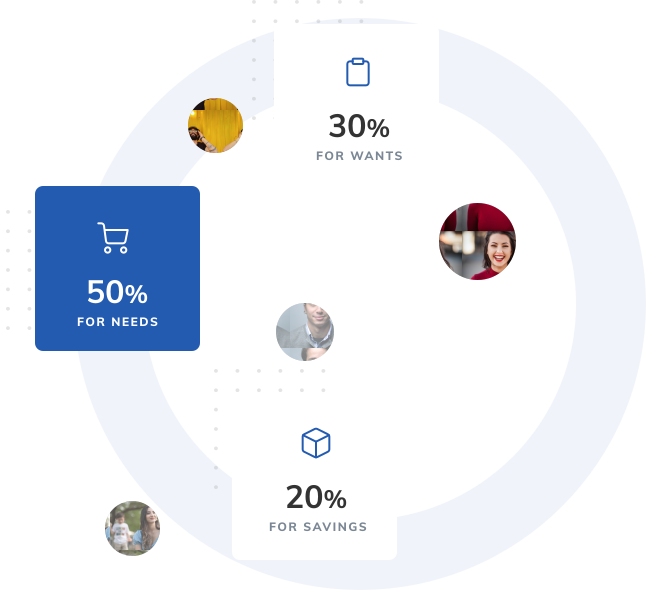
The 50-30-20 spending rule is a simple way to balance everyday living, flexibility and future goals.
It helps you split your income into needs, wants and savings, so you can manage your finances with more confidence.

The rule
50%
Essentials like housing, food, transport, utilities and important regular costs.
30%
Lifestyle costs such as socialising, entertainment, hobbies and non-essential spending.
20%
Money set aside for future goals, emergencies and long-term financial stability.
A simple starting point
A budget does not need to be complicated. The goal is to understand what comes in, what must go out and what is left over.
Write down your regular take-home income and any other reliable money you receive.
Include rent or mortgage, utilities, food, transport, insurance, subscriptions and repayments.
Use the remaining amount for flexible spending, savings and unexpected costs without stretching yourself.
Before you borrow
Before taking on any credit, look at your complete budget and consider whether the repayments will remain affordable if your circumstances change.
Check the repayment amount, total amount payable, interest and APR before making a decision.
Allow for rising bills, irregular costs and changes to your income rather than budgeting to the last euro.
Make sure you understand the terms and know who to contact if you need help during repayment.
If things become difficult
If you are worried about debt or think you may miss a repayment, do not wait. Contact your lender as soon as possible and ask for help understanding your options.
You can also speak to MABS for free, independent money and debt advice.

